
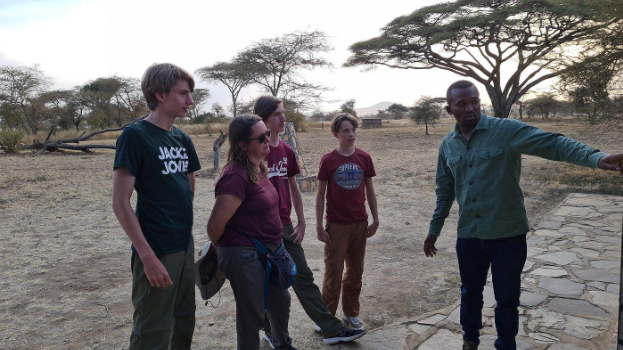
How Safari Guides Interpret The Land On A Tanzania Wildlife Safari

The vehicle slow before sunrise. No animals in sight yet. Your guide leans slightly over the door, pointing at dust clinging to a leaf. A snapped twig is still pale inside. A line of ants is moving in what looks like the wrong direction. Nothing dramatic. Nothing obvious. And yet something is happening.
On a Tanzania Wildlife Safari, the land speaks first, and good guides know how to listen. This is not a post about animal facts. It’s about field-reading track, wind, alarm call, dung, terrain, and tiny environmental shifts that lead to the big wildlife moment. Long before you see lions or elephants, your guide has already read the story written across the ground.
1) The Land as a Living Map
Guides don’t simply drive toward animals. They read the landscape like a map that’s constantly updating. In places like Serengeti National Park, habitat can change within minutes. One bend reveal open plain. Another dip into the riverine forest. A short stretch later, scattered acacia give way to thick woodland.
Each shift influences movement.
- Open plain attracts grazing herds.
- River edge offers shade and water.
- Woodland provides cover for predators.
On a Tanzania Safari, experienced guides anticipate where life tends to gather based on terrain, not luck. That awareness shapes the entire Serengeti safari experience you begin to understand why animals appear where they do.
2) Tracks, Dung, and the Small Clues People Miss
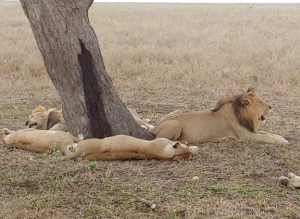
A paw print in the sand is exciting. But guides look beyond the obvious.
When interpreting animal tracks in Tanzania, they check:
- Are the edges sharp or softened by wind?
- Is the sand still slightly moist?
- Do overlapping prints suggest movement in a group?
- Is there drag between stride indicating fatigue or a full belly?
Fresh track tells direction. Stride length hints at pace walking, stalking, or running.
Dung offers its own clue. Texture reveals diet. Warmth suggests timing. Placement can signal territorial marking. On a Tanzania big cats safari, even subtle signs like spray marks or scratch points become part of the story. This is real wildlife tracking in Serengeti, a quiet science unfolding at ground level.
3) Bird Calls and Alarm Signals
Sometimes the first lion sighting is not visual; it’s audible. A sudden burst of frantic bird call from a sausage tree can shift everything. Guides listen carefully to distinguish between routine chatter and true alarm.
They watch for:
- Oxpeckers lifting suddenly
- Vultures circling low
- Monkeys barking sharply
- Gazelles staring in one fixed direction
This layered awareness creates a deeper wildlife soundscape Tanzania Safari Experience. The bush is rarely silent. But when something is “off,” trained ears notice. Reading animal signs on safari often starts above eye level.
4) Wind, Scent, and Why Guides Park Where They Park
Wind decide more than most travelers realize. Predators sit downwind of prey. Prey face into the wind to detect scent. A vehicle that approaches from the wrong angle can announce its presence before arrival.
On a Tanzania Wildlife Safari, guides often circle carefully to position the vehicle with the wind in mind. Sometimes they cut the engine earlier than expected. Sometimes they wait.
A quiet stop matters. Scent, sound, and subtle movement all carry differently depending on the breeze and temperature. Understanding this makes the moment feel intentional, not accidental.
5) Reading Time: Dawn, Heat, and the Evening Shift
The same road at noon can feel empty, then suddenly alive at sunset. Temperature change behaviour.
During intense midday Tanzania Weather, many predators rest in shade. Grazers reduce movement. The land felt paused.
But during an early morning safari in Tanzania, the bush is alert. Lions finish night hunt. Hyenas patrol. Elephants move toward water.
Golden hour brings another shift. Cooling air reactivates the plains. This rhythm explains why timing influences sightings more than chance and why the Best Time to Visit Tanzania often depends on what behaviour you hope to witness.
6) Interpreting the Big Picture Without Disturbing It
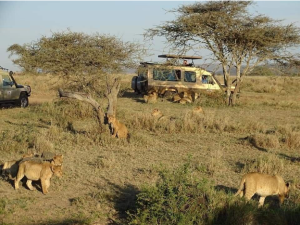
Great guiding is not only about finding wildlife. It’s about protecting the moment.
Distance matters. Positioning matter. Avoiding blocked pathway matter.
Ethical guides avoid crowding animals or interfering with the natural movement corridor. On a respectful Tanzania Safari, interpretation never becomes interference.
This approach enhances Tanzania Travel Safety while preserving authenticity. The scene stays natural. The animals remain calm. The experience feels real.
7) Where This Skill Comes From: Training, Repetition, and Local Memory
No one read the land perfectly overnight. The best Safari guide skills in Tanzania are built from years of repetition, small correct guesses that add up over time.
Guides memorise seasonal changes across different Tanzania Destinations. They remember which pride favor certain kopjes. They notice how the migration route shifts depending on rainfall.
This depth cannot be rushed. It’s learned through patience, observation, and thousands of quiet mornings in the bush.
- If you want more than a checklist of sightings, choose a safari that prioritises depth. Early start. Patient tracking. Few vehicles. More listening.
- Look for experienced Tanzania Travel Guides who focus on interpretation, not speed.
- A meaningful Tanzania Wildlife Safari is not about chasing animals; it’s about understanding how the land reveals them.
CONCLUSION: WHEN THE LAND FEELS DECODED
You arrive expecting animals. You leave remembering how the landscape began to feel readable.
The dust on the leaf. The softened edge of a track. The sudden silence before movement.
Interpretation transforms a simple drive into a layered experience. It makes a Tanzania Wildlife Safari rich, calm, and more respectful.
Because once you learn how the land speaks, every journey through places like Serengeti feels less like searching—and more like understanding.