
25+ Tropical Flowers Names With Images – Arragments & More

Introduction to Tropical Flowers Names
Have you ever stood in a garden and wondered, “What is that beautiful flower called?” I’ve been there, gazing at vibrant, bold blooms, thinking they belong in a tropical paradise. Well, that’s because they probably do! Tropical flowers aren’t just any ordinary blooms. They come from some of the world’s most lush, colorful regions—places like the tropics, where the weather is warm, and the beauty is never-ending.
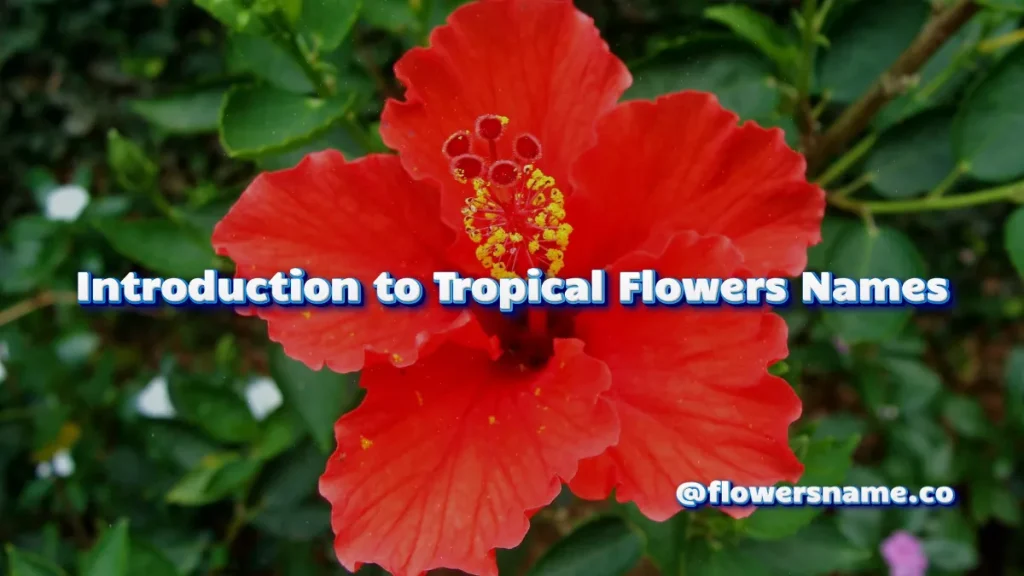
Now, why should you care about the names of tropical flowers? It’s simple—once you know their names, you can learn how to grow them or just sound smart when you point them out. Whether you’re an experienced gardener or someone who just loves to admire pretty plants, being able to name these flowers adds a whole new level of appreciation. I remember when I first learned what a Hibiscus was. Suddenly, they weren’t just “those big red flowers” anymore. They had a name, a personality if you will.
Tropical flowers come in all sorts of shapes and sizes—some tall and dramatic, others small and delicate. You can find them everywhere, from rainforests in South America to your neighbor’s backyard if you’re lucky. They thrive in warm climates, with their bright colors attracting everything from bees to birds. These plants aren’t just beautiful; they’re part of a whole ecosystem.
So, the next time you come across one of these stunning blooms, you might just know its name—and trust me, that makes enjoying them even better. Let’s dive into some of the most iconic tropical flowers, their names, and why they’re so loved. For those who appreciate a more subtle beauty, you might also be interested in exploring Green Flowers.
List of Popular Tropical Flowers with Names and Pictures

Alright, let’s dive into some tropical beauties! There are so many tropical flowers out there that it’s hard to pick favorites, but I’ve listed a few you’re most likely to spot, whether you’re in a tropical garden or scrolling through pictures of them online. These flowers aren’t just eye candy; they bring color, life, and sometimes even a little fragrance to the spaces they grow in. Below, you’ll find a list of popular tropical flowers, along with a brief description and an image to help you match the name to the bloom.
Hibiscus
You’ve probably seen Hibiscus flowers even if you didn’t know what they were called. These bright, colorful blooms are hard to miss with their big, trumpet-shaped petals. They come in a variety of colors—red, pink, orange, yellow—and they’re a common sight in tropical and subtropical gardens. The Hibiscus is more than just pretty; it’s also used in teas, and some cultures even consider it medicinal. If you’ve ever had hibiscus tea, now you know where it comes from!
Bird of Paradise
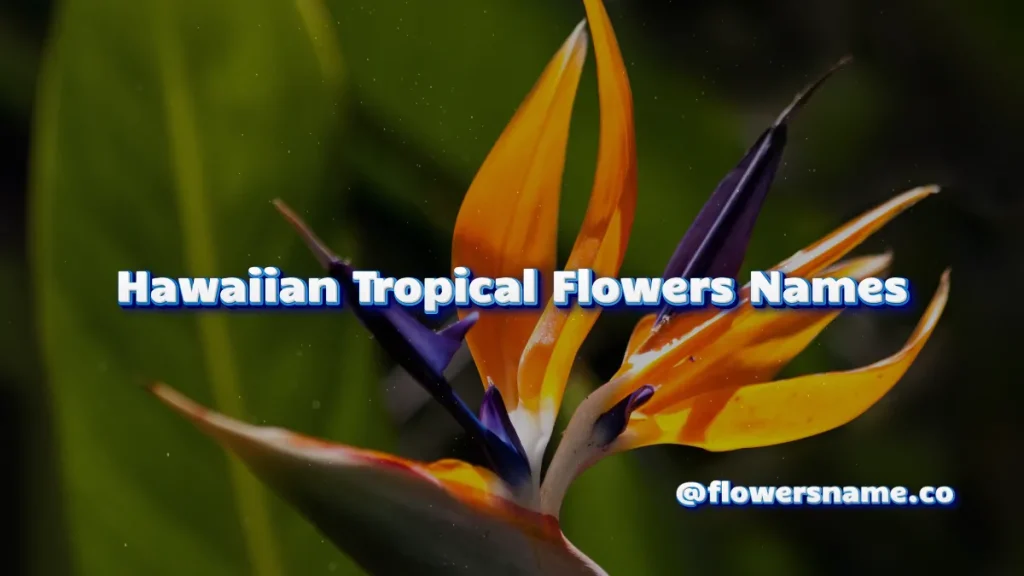
This flower doesn’t just have a cool name—it looks cool too! The Bird of Paradise gets its name because it resembles a bird in flight. Its sharp orange and blue petals shoot out like a bird’s feathers, and it’s one of the most recognizable tropical flowers around. Native to South Africa, these flowers thrive in warm climates and can grow as tall as 4-5 feet. If you’ve got a tropical garden, this one’s a showstopper.
Plumeria
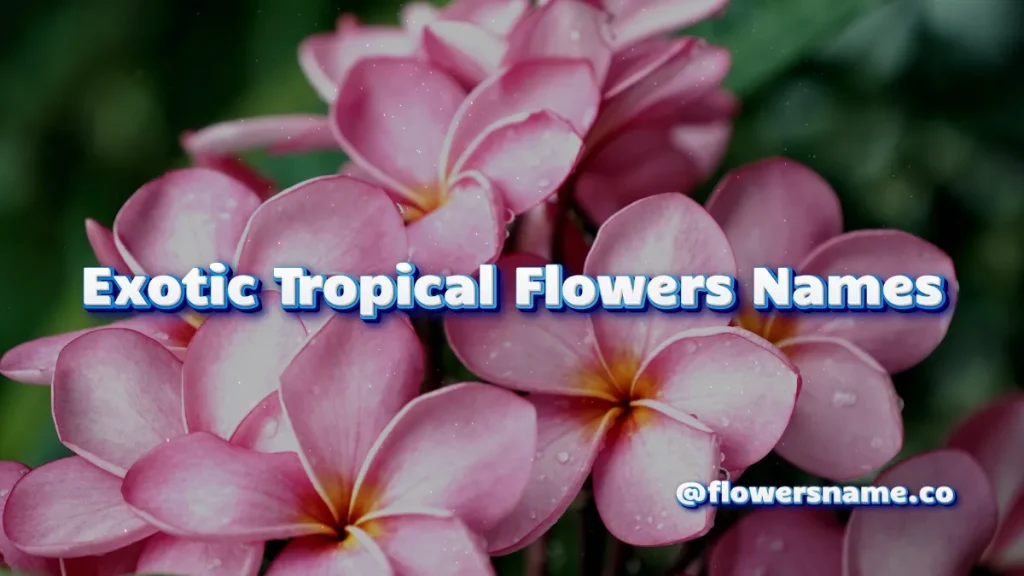
If you’ve ever been to Hawaii or seen Hawaiian leis, you’ve probably come across Plumeria flowers. These fragrant blooms are often white with a hint of yellow in the center, but they can also come in pink and red. Plumeria flowers are not only beautiful but also symbolize positivity and new beginnings, which is probably why they’re so popular in tropical regions.
Anthurium
The Anthurium is a little different from the other flowers on this list. Its petals look like wax, and it has a shiny, almost fake appearance. But it’s all real, I promise! This flower is typically red, but you can also find it in pink, white, or green. The unique thing about Anthurium is that it’s not just a pretty face—its heart-shaped bloom represents hospitality, making it a popular choice for tropical bouquets.
Exotic Tropical Flowers Names
When you think of tropical flowers, you might imagine bright, bold blooms from some faraway paradise. But some of these tropical flowers are on a whole other level—rare, exotic, and sometimes almost impossible to find outside of their native habitats. These are the real showstoppers, the flowers that make you stop and say, “Whoa, what is that?” Let’s check out some of these lesser-known, yet breathtaking tropical blooms.
Heliconia (Lobster Claw)
This flower is like the cool, edgy cousin of more common tropical plants. You can spot Heliconia by its unique, lobster-claw-shaped bracts, which come in fiery shades of red, orange, and yellow. Native to tropical rainforests, it’s not just a pretty face—it’s also a hummingbird’s best friend. You’ll often find these birds buzzing around Heliconia, sipping nectar, while the flower does its part to keep rainforests buzzing with life.
Orchids
Orchids are a bit like the rockstars of the flower world. Yeah, you can find them in stores, but the ones we’re talking about here? Way rarer. Orchids thrive in tropical climates, and they come in all sorts of mind-blowing colors and shapes. Some species are super rare and only grow in specific rainforest areas. They’re delicate and often look like little sculptures with their perfectly symmetrical petals. There’s nothing quite like finding a rare orchid growing in the wild.
Medinilla Magnifica (Rose Grape)
Okay, this flower is like something out of a dream. The Medinilla Magnifica, or Rose Grape, is all about drama. Picture giant clusters of soft pink blossoms cascading down like a chandelier. Native to the Philippines, this plant is a bit of a diva—it thrives in humid tropical regions, but good luck growing it in cooler places without a lot of care. If you want something that screams “exotic,” this is it.
Etlingera Elatior (Torch Ginger)
Torch Ginger isn’t just your average tropical flower. It’s big, bold, and unmistakable. The bright red or pink flower spike looks like a torch (hence the name), and it’s perfect for making a statement in any tropical garden. Native to Southeast Asia, it’s not only a beauty, but it’s also used in local cuisines. Imagine having a plant in your garden that’s not just pretty but also tasty!
Hawaiian Tropical Flowers Names
Hawaii is practically overflowing with tropical flowers. You don’t even have to go far to spot them—they’re in the leis people wear, in hotel lobbies, and all over the island landscapes. These flowers aren’t just there to look good either; many of them have deep cultural significance in Hawaii. Let’s take a look at some of the most iconic blooms you’ll find in this tropical paradise.
Plumeria
Plumeria is everywhere in Hawaii. Do you know those beautiful flower leis that people wear? Yup, those are often made with Plumeria flowers. They have a sweet fragrance that just screams “tropical vacation,” and their soft petals come in shades of white, pink, and yellow. But they’re not just pretty—Plumerias also symbolize positivity and new beginnings in Hawaiian culture, which is why they’re often used in celebrations.
Hibiscus
Hawaii’s official state flower is the Hibiscus, and it’s not hard to see why. These big, bold flowers come in shades of red, pink, yellow, and orange, and you’ll often see them growing just about everywhere on the islands. In Hawaii, wearing a Hibiscus flower tucked behind your ear has meaning—it’s a symbol of beauty, and depending on which ear it’s behind, it can even show whether you’re single or taken!
Tropical Flowers by Color
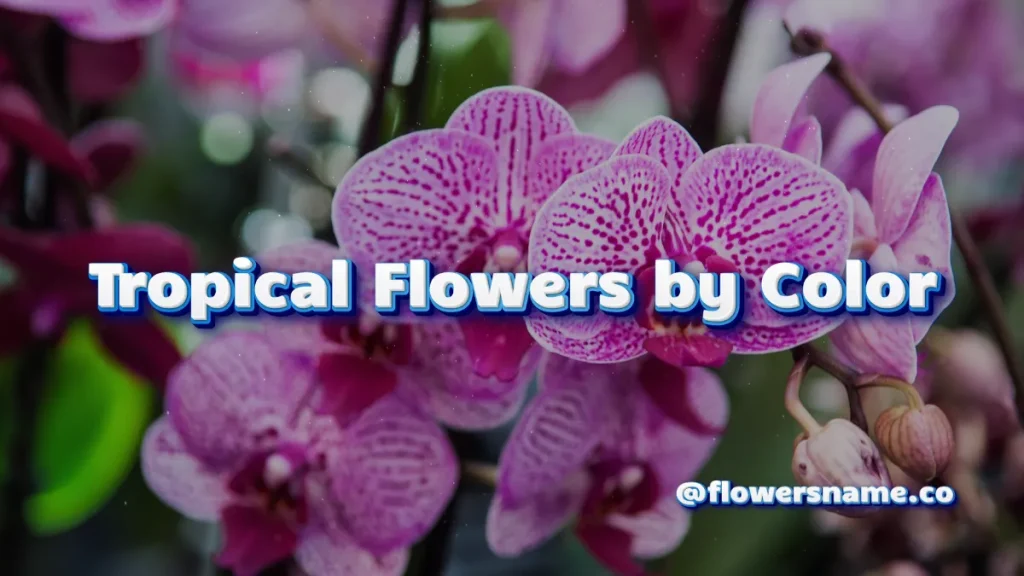
Tropical flowers come in a literal rainbow of colors, and if you’re planning a garden or putting together a bouquet, it’s fun to pick flowers based on their hues. Let’s break it down by some of the most eye-catching colors you’ll find in tropical flowers, so you can pick the right blooms for your next garden project or floral arrangement.
Orange Tropical Flowers
- Bird of Paradise: These flowers look like birds ready to take flight, with their sharp, pointed petals in shades of orange and blue.
- Heliconia: As mentioned earlier, Heliconia’s bright orange bracts look like they belong in a tropical jungle, and they practically glow in any garden.
Pink Tropical Flowers
- Plumeria: The pink version of Plumeria is just as beautiful as the white, with its soft, delicate petals and sweet fragrance.
- Bougainvillea: Bougainvillea isn’t technically a flower, but those bright pink bracts will certainly fool you into thinking it is. It’s perfect for adding a pop of pink to any garden.
Purple Tropical Flowers
- Orchids: Orchids in shades of purple are regal and striking, and they can instantly elevate the look of any tropical space.
- Lobelia: This lesser-known tropical flower has delicate purple blooms that add a touch of softness to any garden.
White Tropical Flowers
- Ginger Lily: This fragrant white flower is a favorite in many tropical regions, and it’s often used in Hawaiian leis and floral arrangements.
- Colombian White Tropical Flower: A rare white flower that’s native to tropical regions, this one is a standout with its pure white petals and almost ethereal beauty.
Names of Tropical Flowering Plants and Trees
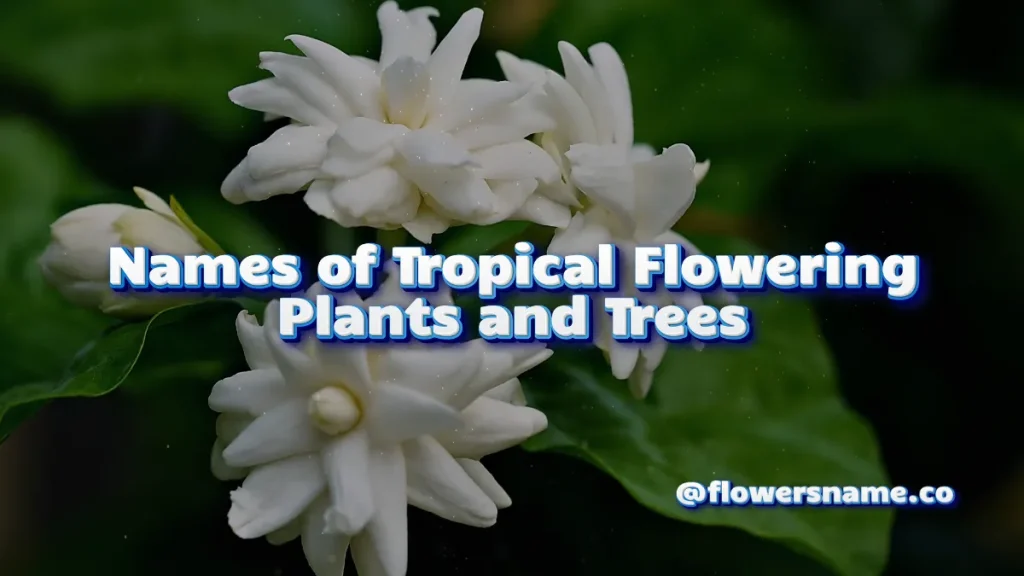
When we think of tropical plants, it’s easy to imagine delicate, colorful flowers, but some of the most breathtaking sights in the tropics come from larger, more imposing trees and plants. These giants provide both beauty and utility, shading us from the hot sun and serving as homes for countless creatures. Whether it’s a massive tree covered in fiery blooms or big-leaf plants creating a jungle-like atmosphere, these larger species play a vital role in tropical ecosystems.
Royal Poinciana Tree
I have to start with the Royal Poinciana because, honestly, who could forget it? If you’ve ever been in the tropics and seen a tree ablaze with bright orange or red flowers, that’s your guy. Known as one of the most striking flowering trees, it’s famous for its wide canopy, perfect for creating shade on a hot day. And when it blooms in the summer, the ground beneath turns into a carpet of fallen petals. This tree is more than just a pretty face—it’s like the centerpiece of tropical landscapes.
Tropical Water Lily
Now, let’s move to the water. The Tropical Water Lily is one of those plants that makes you stop in your tracks. Floating on still ponds, these massive lily pads support delicate flowers that shoot out of the water on tall stems. The cool thing? They bloom in the evening, so if you’ve ever caught a tropical sunset over a pond of water lilies, you know how magical it feels. Their flowers come in shades of pink, purple, and blue, adding a splash of color to an already picturesque scene.
Big-Leaf Plants
Now, I love big-leaf plants because they create that jungle vibe we all crave in tropical settings. Take the Banana Plant, for example. It’s not even a tree, but its leaves are so massive that it practically turns your garden into a mini rainforest. Another beauty is the Elephant Ear Plant—its name says it all. With leaves as large as, well, an elephant’s ear, it’s perfect if you want to feel like you’re walking through a jungle. These plants are a must if you’re into bold, dramatic greenery that instantly transforms a space.
Tropical Rainforest Flowers and Their Names
If you’ve ever walked through a tropical rainforest, you know it’s like stepping into another world—dense, lush, and teeming with life. It’s also home to some of the most unique and rare flowers on Earth. These flowers not only bring beauty to the forest but are often crucial to the survival of many species. Let’s look at a few jaw-dropping blooms that call the rainforest home.
Rafflesia Arnoldii (The Corpse Flower)
Okay, this one’s not for the faint of heart. The Rafflesia Arnoldii is the largest flower in the world, and honestly, it looks like it comes from another planet. It can grow up to three feet across, but the smell? Yikes. It’s earned the nickname “Corpse Flower” for a reason—it smells like rotting meat. You might be thinking, why would a flower want to smell like that? Well, the stench attracts flies, which help pollinate the plant. Pretty clever, right? If you ever visit the rainforests of Indonesia, you might be lucky (or unlucky) enough to stumble across one.
Amazon Water Lily
Imagine a lily pad large enough to hold a child—seriously, it exists. The Amazon Water Lily’s massive floating leaves can grow over eight feet wide, covering ponds and rivers like green floating plates. What’s even cooler is how the flowers bloom. They open at night and are pure white. But after they’re pollinated, they turn pink. It’s like nature’s way of saying, “Mission accomplished.” These lilies are a sight to behold and are a perfect symbol of the lush beauty of the Amazon rainforest.
Common Tropical Flowers Names
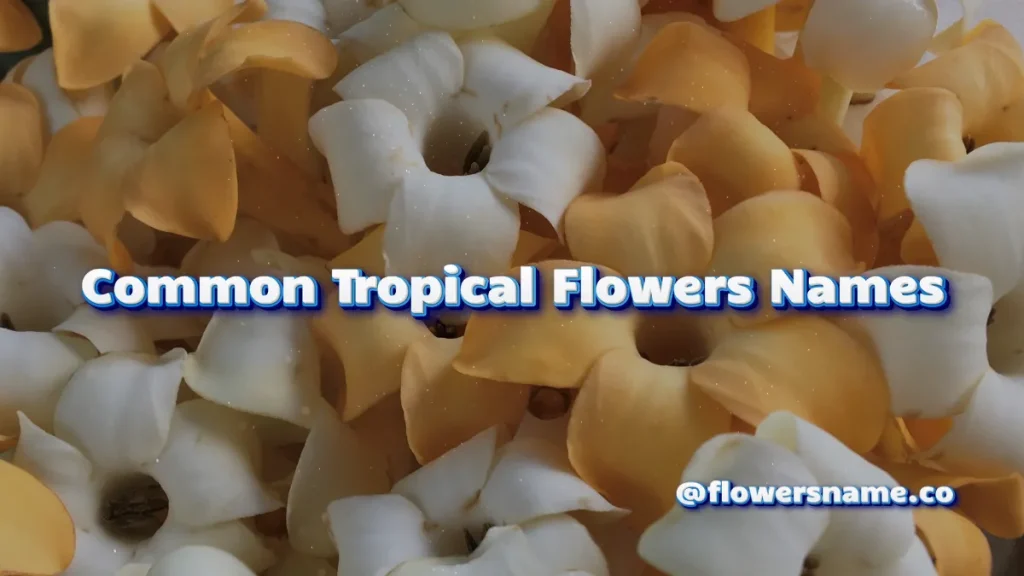
Sometimes, the most beautiful things are the most familiar. While some tropical flowers are rare and exotic, others are so common that you might find them growing in your neighbor’s garden. But just because they’re common doesn’t make them any less stunning. Here are a few tropical flowers that you’ll see in gardens, parks, and maybe even on your next vacation.
Hibiscus
There’s no tropical flower more iconic than the Hibiscus. These large, vibrant blooms are everywhere—from the beaches of Hawaii to home gardens in Florida. I remember seeing my first Hibiscus flower as a kid, and I was blown away by its size and color. They come in shades of red, pink, orange, and yellow, making them a perfect addition to any sunny garden. The flowers themselves are huge, with delicate petals that seem almost too perfect to be real. And guess what? They’re not just beautiful—they’re also used in herbal teas and remedies.
Anthurium
Anthuriums are those heart-shaped flowers that always look like they belong in a fancy hotel lobby. Their waxy, almost plastic-like appearance makes them stand out, and the bright red or pink flowers are unmistakable. They’re popular not just because they look good but because they’re surprisingly easy to grow if you live in a tropical or subtropical climate. I’ve had one sitting on my kitchen windowsill for years, and it just keeps blooming!
Bird of Paradise
The Bird of Paradise is the kind of flower that stops you in your tracks. It looks exactly like a bird, with its orange and blue petals fanning out like wings. I remember the first time I saw one in a tropical garden, and I honestly thought it was a real bird until I got closer! These flowers are showstoppers and perfect for adding a splash of color and drama to any garden.
Tropical Flowers Names for Arrangements: The Perfect Tropical Touch
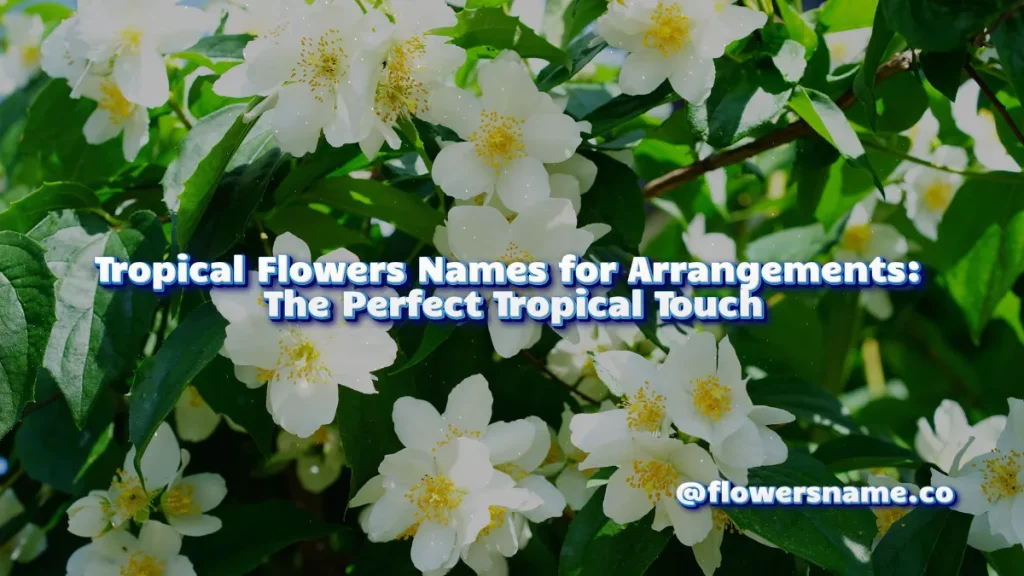
Ever tried to make a flower arrangement and found yourself wanting something a bit more… exotic? Tropical flowers have that “wow” factor that turns any bouquet into a showstopper. Trust me, I’ve tried tossing together a few roses and daisies, but adding something like orchids or anthurium takes things to a whole new level. These blooms don’t just sit pretty—they steal the spotlight.
Orchids, for instance, are classic choices for arrangements. Their delicate petals and stunning colors make them perfect for adding elegance to any bouquet. Whether it’s a wedding or a casual centerpiece, orchids know how to make a statement. Plus, they last longer than your typical cut flower, so you’re getting some extra bang for your buck.
Then, there’s Anthurium. This tropical gem has shiny, heart-shaped bracts that give any arrangement a modern twist. It’s bold, a little dramatic, and doesn’t need much else around it to look fabulous. The deep red varieties are especially popular for tropical-themed events or just for brightening up a room.
So, next time you’re crafting a bouquet or even just picking out flowers for your home, throw in some tropical blooms. They bring that vibrant, exotic feel that you just can’t get with regular flowers.
Rare and Unique Tropical Flowers: Hidden Gems of the Tropics
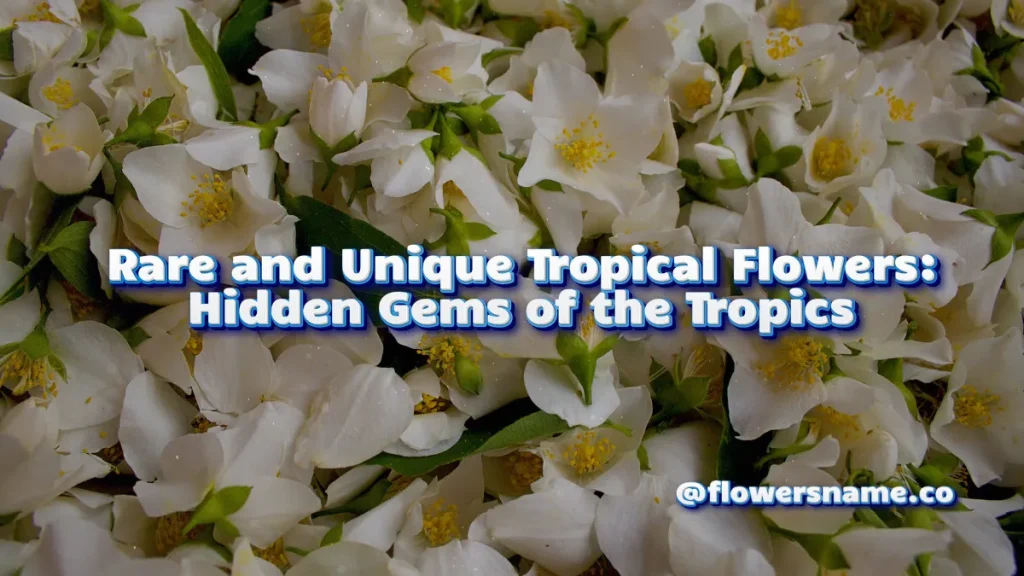
When you think of tropical flowers, it’s easy to picture bright colors and common favorites. But what about the weird and wonderful ones that only a handful of people have ever seen in person? These rare beauties are what make tropical flowers even more exciting.
Let’s start with the Corpse Flower (Amorphophallus titanum). It’s not for the faint-hearted because, as its name suggests, it gives off a smell that isn’t exactly pleasant. But its gigantic bloom and rare appearance make it a showstopper in the world of exotic flowers. If you ever get the chance to see one, it’s something you won’t forget—just hold your nose!
Next up is the mysterious Tacca Chantrieri, also known as the Bat Flower. It’s named for its bat-like appearance, with dark, wing-shaped petals that make it look almost otherworldly. This flower is as rare as it is unique, found mostly in Southeast Asia, and not something you’ll spot in your neighbor’s garden.
These rare tropical flowers remind us that nature is full of surprises. From massive blooms to strange shapes, the tropical world has some hidden gems waiting to be discovered!
Learning Tropical Flowers Names: The Fun (and Easy) Way to Master Them
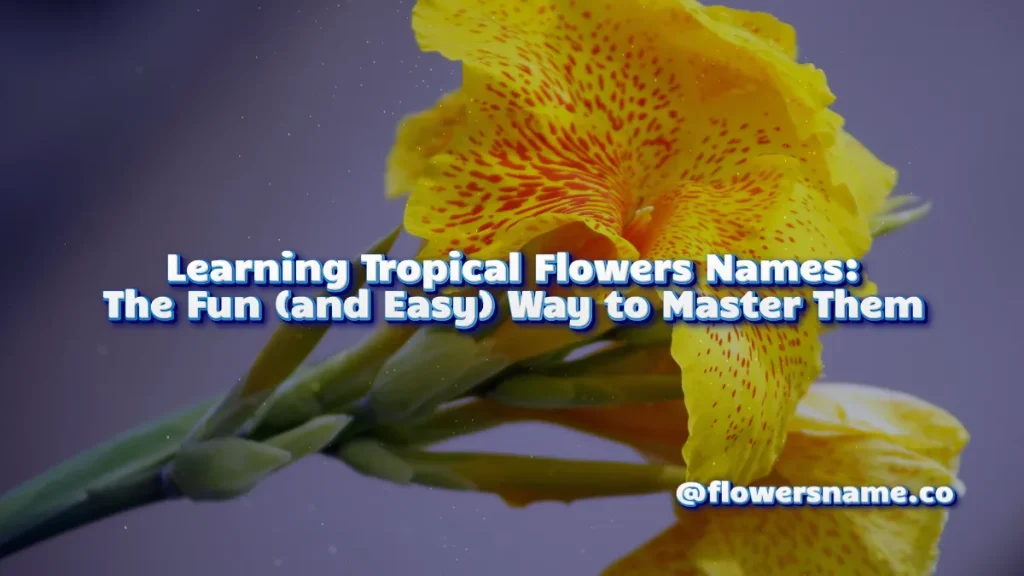
If you’ve ever looked at a gorgeous tropical flower and thought, “What is that called?” you’re not alone. Learning to identify tropical flowers by name and picture can be a fun (and slightly addicting) hobby. Honestly, once I got started, I found myself looking up every flower I came across.
Here’s a good starting point: plant identification apps. You simply take a picture, and voila! Apps like PlantSnap or PictureThis can identify most tropical flowers in seconds. They’re like having a botanist in your pocket—perfect for when you’re strolling through a garden or exploring new places.
Books are another solid resource. I recommend picking up a guide on ornamental plants or one focused specifically on tropical species. There’s something about flipping through pages and seeing high-quality images that helps lock in that knowledge.
And, of course, don’t forget about botanical gardens! If you’re lucky enough to live near one, they’re fantastic for getting hands-on experience with tropical flowers. Take a notebook, wander through the greenhouse, and you’ll start recognizing species like hibiscus, anthurium, or birds of paradise. Plus, the labels are there to help—so no guessing games!
By mixing up these resources, you’ll be a tropical flower pro in no time. And before you know it, you’ll be able to impress your friends by rattling off exotic names like Clivia miniata or Anthurium andraeanum without breaking a sweat!
Tropical Flowers Names in Specific Regions: Flowers of the Philippines, Colombia, and Hawaii
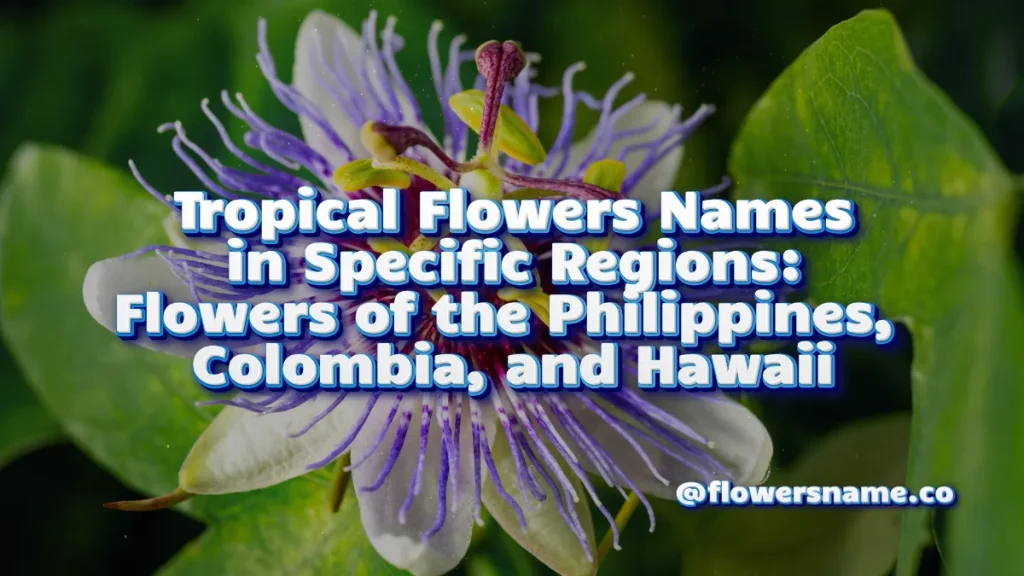
When you think of tropical flowers of specific regions like the Philippines, Colombia, and Hawaii flowers probably pop into your head. These places are tropical paradises, bursting with unique blooms that thrive in their warm climates.
Take the Colombian White Orchid, for example. This stunning flower, native to Colombia’s cloud forests, is a real beauty with its delicate white petals. It’s often associated with elegance and is highly prized in floral arrangements. Colombia’s tropical regions are home to thousands of orchid species, making it a paradise for orchid enthusiasts.
Now let’s hop over to the Philippines, where the Ylang-Ylang reigns supreme. This flower isn’t just pretty—it’s known for its strong, sweet fragrance, used in perfumes all over the world. The Ylang-Ylang is native to Southeast Asia, thriving in the warm, humid climate of tropical forests.
Finally, we can’t forget Hawaii, the land of vibrant tropical flowers. The Bird of Paradise is a favorite here, known for its striking resemblance to a bird in flight. It’s bold, and colorful, and thrives in Hawaii’s tropical gardens, where sunlight and humidity are plentiful.
These regions give us just a taste of the incredible variety of tropical flowers across the world. Each one has its unique beauty, perfectly adapted to its environment. Whether you’re exploring tropical plants for your garden or just appreciating their beauty, knowing where they come from makes them even more fascinating!
Tropical Flowers Names and Meanings: Unlocking the Secrets Behind Each Bloom
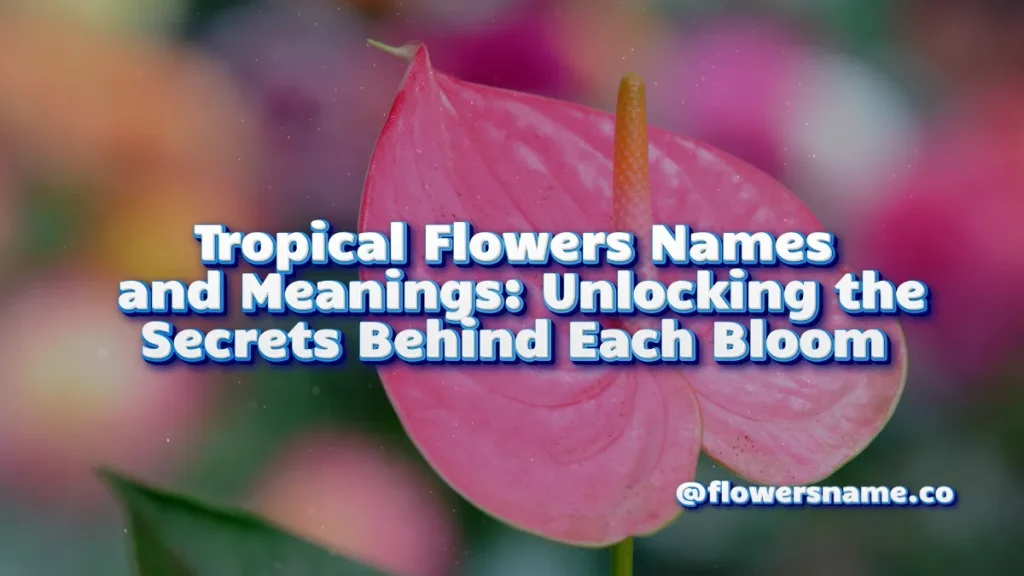
When you look at a tropical flower, it’s hard not to be mesmerized by its beauty. But did you know that many of these flowers carry deep meanings? For me, learning about their symbolism gave me a whole new appreciation for these stunning blooms.
Take the Orchid, for example. With its elegant petals and unique look, it’s more than just a pretty flower—it symbolizes love, beauty, and strength. It’s no wonder people give orchids as gifts when they want to show admiration or respect. When I first received an orchid, I didn’t realize the thought behind it, but now I appreciate its deeper message.
Hibiscus, on the other hand, represents delicate beauty and grace. Just like a fleeting moment of serenity, the hibiscus feels gentle yet powerful. You often see it associated with femininity and calmness—two traits that immediately come to mind when I picture this lovely bloom. Whenever I see one, I can’t help but feel like I’m on a peaceful beach, soaking up the sun.
Then there’s Plumeria, which is all about new beginnings. Commonly used in Hawaiian leis, it symbolizes hospitality and friendship. Imagine giving someone a plumeria—it’s like you’re wishing them luck on their new journey, whether it’s a new job or a life change. That’s a message I can get behind!
Every tropical flower has its own story to tell, and knowing these meanings makes them even more special. Whether you’re gifting them, growing them in your garden, or just enjoying their beauty, tropical flowers bring something deeper into our lives.
Tropical Flowers Names for Home Gardens: A Guide to Picking the Perfect Plants
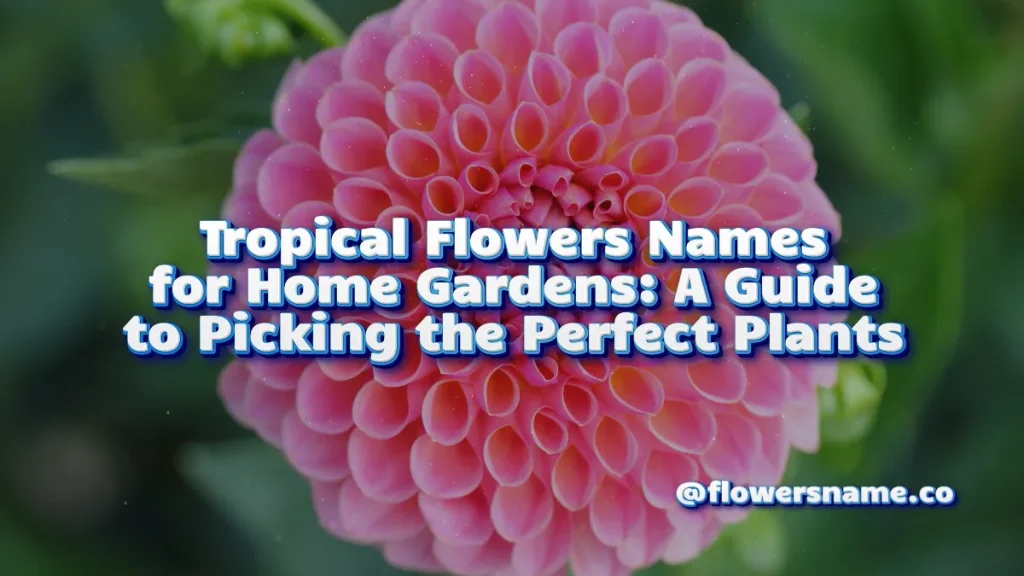
If you’ve ever dreamed of transforming your backyard into a tropical paradise, you’re not alone. I’ve been there too, staring at empty pots and imagining them bursting with colorful blooms. But, there’s more to it than just planting whatever looks good. You’ve got to choose the right tropical flowers based on your climate and garden setup.
The first thing to consider is your climate. Not all tropical flowers will thrive in cooler regions, so you’ll want to pick flowers that suit your weather. If you’re in a warm, humid area, you can go for stunning options like Bird of Paradise or Anthurium. But if you’re in a cooler spot, think about creating a greenhouse or using grow lights to mimic the tropical environment.
And don’t forget about sunlight! Some tropical flowers are sun-worshipers, needing all the light they can get, like Hibiscus, while others, like Orchids, prefer dappled shade. It’s like matchmaking for plants—you need to pair the right flower with the right spot in your garden to make sure they thrive.
One thing I’ve learned the hard way is how important drainage is. Tropical flowers love water, but too much and you’ll end up with soggy, sad plants. Raised beds or pots with drainage holes work wonders for keeping the roots healthy.
Finally, let’s talk about color. Tropical flowers come in every shade under the sun, from vibrant reds to calming blues. You can mix and match to create the vibe you want in your garden. I like a bold, colorful look, but a more soothing palette of purples and pinks works just as well if you want a more peaceful space.
Conclusion: The Endless Beauty of Tropical Flowers
Tropical flowers are more than just stunning blooms—they’re full of life, meaning, and history. Whether you’re adding them to your home garden or creating a beautiful arrangement, these flowers bring a sense of vibrancy and culture to your space.
So why not dive deeper into the world of tropical flowers? From Orchids to Hibiscus, there’s a bloom waiting to add a splash of beauty and meaning to your life.