
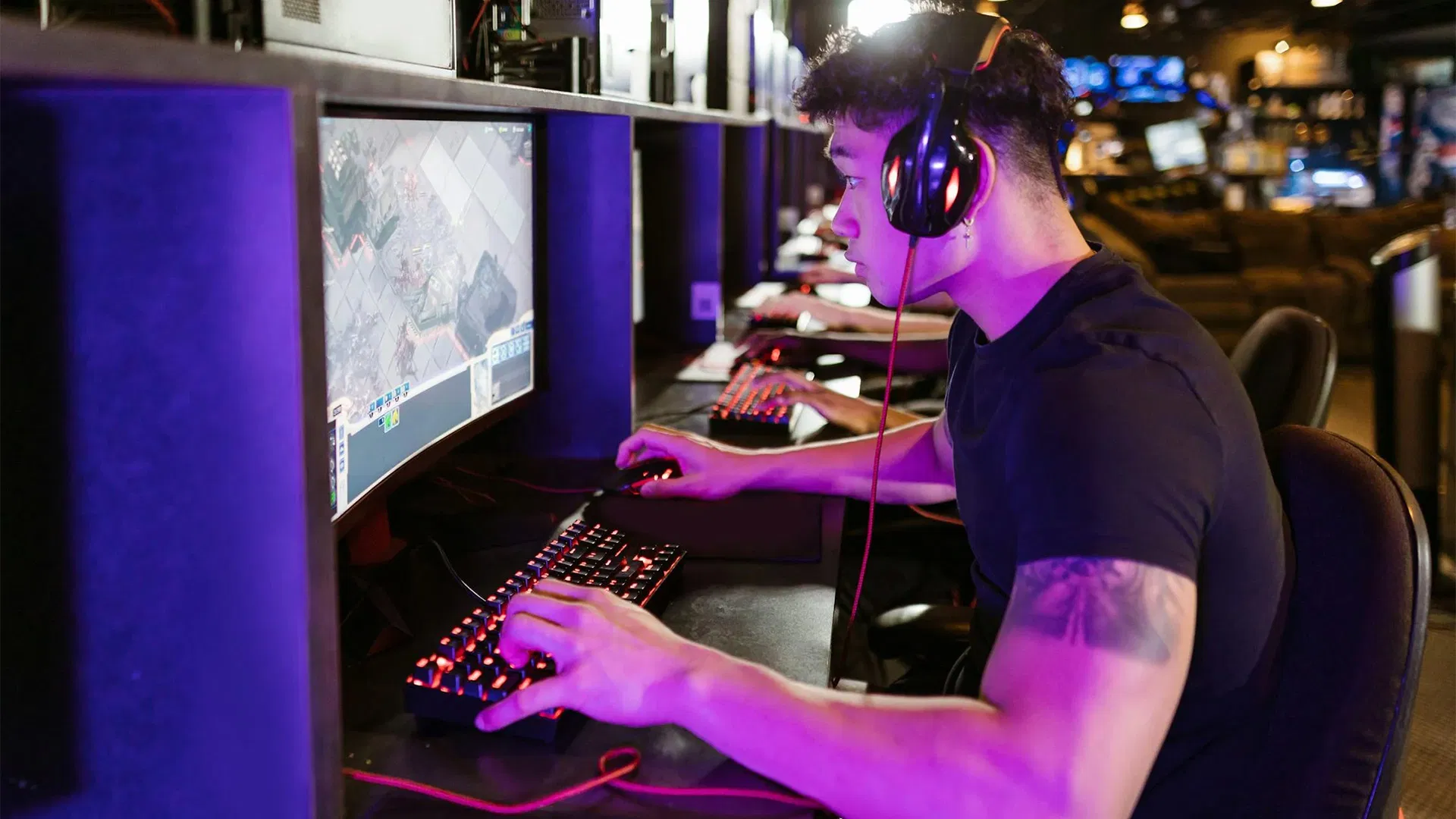
The Gaming Probability Parallel: Spinado Game and Internet gaming Law.

Paradoxes of probability that are counterintuitive.
Likelihood is a rogue of a thing. On black and white, that is easy: a coin toss is a 50/50, dice throws are equal, and random draws are, by definition, random. However, our intuition does not always cooperate. Even professional gamblers and digital gaming players, who spend some time on such websites as Spinando Casino, might be taken aback by the mind-bending surprises that the probability can offer.
When Your Brain Fights Randomness
The process of our brain developing the ability to notice patterns took place. It was used to keep our ancestors alive, but in the new digital world, it does not always work in their favor. We detect streaks where there are none, we imagine hot hands in random series, we believe a loss is due to become a win
Decision fatigue can even affect the most experienced players, such as those at Spinando Casino or other sites, as repeated decisions decrease the likelihood of making the correct assessment. Even in cases where the numbers speak a different story, our brains prefer patterns, predictability, and stories.
The Brain vs. Probability: Intuition Fails.
Neuroscience explains the reason why we have trouble with randomness. The brain planning and reasoning part, or prefrontal cortex, is competing with the reward circuits of the brain that want wins and immediate gratification. Cognitive biases are preeminent when such systems conflict with each other.
Unpredictable rewards, known as variable rewards and found in online games, directly engage the reward system in our brain, releasing jolts of dopamine that encourage additional play. All of our pattern-seeking instincts perceive random patterns as strategies or things in control, which are, in truth, none of the above.
These quirks are particularly fertile on online betting grounds. With or without physical bets, seeing digital results or spins can create the illusion of probability, distorting our future prediction or response. An acquaintance with the law of online betting may be intriguing: laws are in place to ensure that these biases are not exploited, and that the fairness and transparency of randomness are not compromised.
Classic Probability Paradoxes That Bamboozle Your Brain.
Others are easy to grasp, and difficult to conceive; others, far worse, demand a movement of intellect that would turn your head round in a flash, like a slot wheel. Let’s explore a few favorites:
The Birthday Paradox.
The chance of two individuals having a birthday in the same month is very low. Wrong. It’s already over 50%. There is a gross underestimation of the rate of probability compounding in our brains- an excellent demonstration of intuitive misfire.
Game Show Logic: Monty Hall Problem.
Suppose you pick one of three doors. At the back of one is a prize, at the back of the rest, nothing. Once you have chosen, the host opens a losing door. Do you stick or switch? The truth is that with switching, you are doubling your winnings. Your gut tells you this is not different, but then mathematics tells you otherwise.
Infinite Expected Value St. Petersburg Paradox
This one is a brain buster: It is known that a coin is thrown repetitively till it comes up tails. A pot doubles every time there are heads. The expected value? Infinite. Your gut judgment is repulsive since the chance of huge payoffs is very small–but it shows how uncommon events can take over theory.
Table of Probability vs. Intuition.
| Paradox | Common Intuition | Actual Probability | Key Takeaway |
| Monty Hall | Switching doesn’t matter | Switching wins 2/3 times | Counterintuitive advantage |
| Birthday Paradox | Low chance of match | 50% chance in 23 people | Intuition underestimates probability |
| St. Petersburg | Small stakes expected | Infinite expected value | Rare events dominate outcomes |
Probability Paradoxes on the Internet.
There is an additional level of digital interaction. Applications such as Spinando casino make use of random number generators (RNGs) to generate results, yet the human brain interprets patterns where none exist. You may observe streaks or hot streaks or near-misses, which are amplified with shifting rewards and gratification loops.
Online gaming behavioral patterns replicate real-world gambling biases at an accelerated rate and frequency. You experience decision fatigue more quickly, and digital interfaces are engineered to capture or reach your maximum attention without explicit appeal to cognitive biases. The reward system of the brain can be stimulated even by watching games without placing money on them, such as following spins or the leaderboard.
The law governing online betting law stipulates that online randomness must be fair, but consumer protection should be the supreme concern. The key to digital interaction and responsible play is understanding the mechanics of probability and recognizing how your intuition can be misleading.
Professional Evaluations and Actionable Insights.
Both behavioral economists and neuroscientists concur that our brains are designed to perceive randomness (when it isn’t there). These paradoxes are not only academic, but practical, according to mathematicians. These oddities might help us make better choices, not just when learning about the patterns of online games, but also when plotting our tactics in computer games, or when we want to know how probability affects behavior.
Experts recommend:
- Wait before responding to streaks or patterns in video games.
- Identify the dopamine loops and do not pursue changeable rewards.
Use mental training with probability paradoxes to tune intuition back to reality.
This viewpoint can be particularly useful for experienced players at Spinando Casino: it does not guarantee wins, but it helps avoid the strategic traps that lead to personal losses and makes foreseeable wins feel more like luck.