
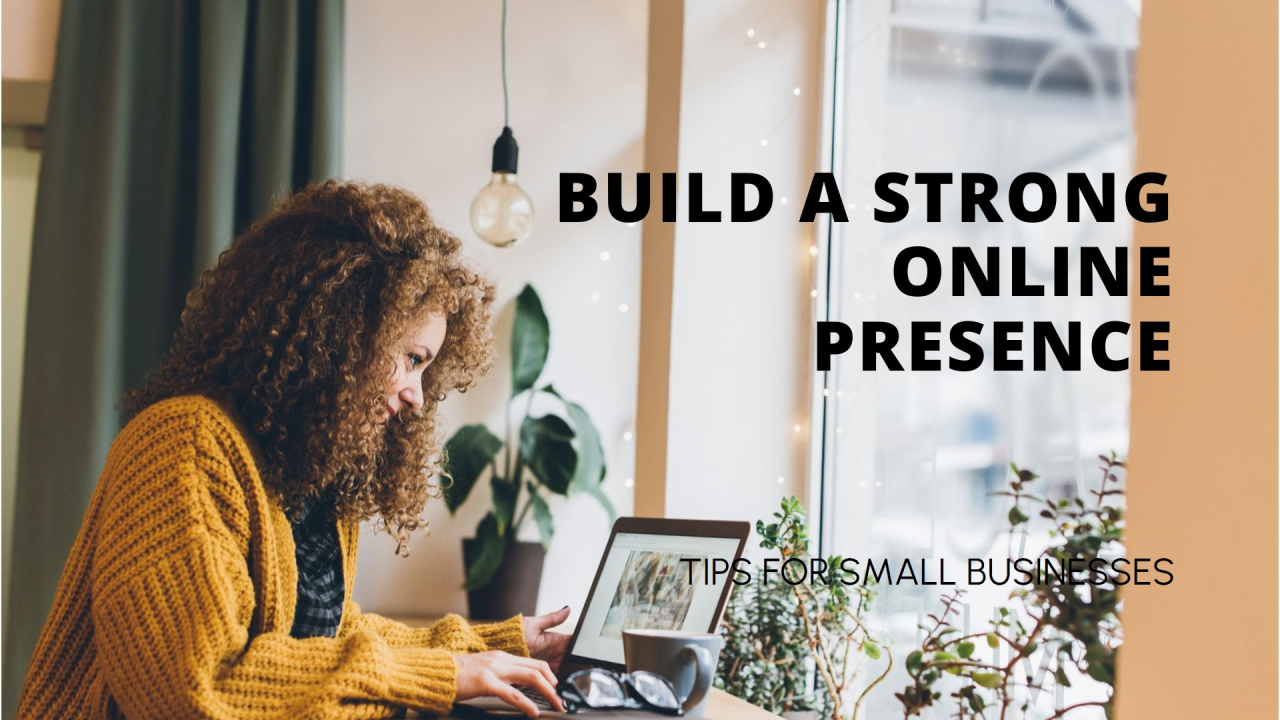
How Small Businesses Can Build a Memorable Online Presence

A memorable online presence does more than make a business easy to find. It gives people a clear sense of what the business offers, why it is different, and what to do next. For a florist, that might mean pairing beautiful bouquet photos with practical advice on choosing seasonal stems. Other small businesses can use the same principle: share useful information in a style that feels unmistakably their own.
Start with a clear message
Before planning posts or videos, decide what you want customers to remember. A flower shop might be known for locally grown blooms, thoughtful wedding arrangements, or same-day gifts. These strengths should shape the subjects you cover and the way you describe your services.
Keep the message simple and consistent across your website and social channels. Use familiar language, explain services plainly, and make important details easy to find. A visitor should not have to search for your delivery area, opening hours, or how to ask for a custom quote. Clear information builds confidence before a customer ever gets in touch.
Share information customers can use
Helpful content earns attention because it answers real questions. Florists can explain how to keep cut flowers fresh, what to consider when ordering wedding arrangements, or which blooms are in season. A garden center might offer planting tips, while a bakery could describe how to store a celebration cake. Useful advice gives people a reason to return, even when they are not ready to buy today.
Choose subjects from conversations you already have with customers. Keep a note of recurring questions and turn each one into a short post, guide, or video. Specific answers are often more valuable than broad claims about quality or service. For example, a guide to choosing a vase for a tall arrangement gives readers a concrete takeaway and demonstrates practical knowledge.
Let strong visuals tell part of the story
Images matter especially for businesses whose products are judged by appearance. Use clear, well-lit photos that show details and scale, not only polished finished work. A florist could show the process of conditioning stems, arranging a centerpiece, and packing an order. These small glimpses make the work more tangible and help customers understand the care behind it.
Short videos can bring that process to life. A quick seasonal flower tour, a time-lapse of a bouquet coming together, or a simple care demonstration can be reused on a website and social channels. Keep each video focused on one idea, add captions for viewers watching without sound, and make sure the final image and message feel consistent with your brand.
Plan video projects before hiring
Good editing starts with a clear brief. Before looking for a video editor for marketing videos, decide who the video is for, where it will appear, and what viewers should learn or do after watching. Share the footage, preferred length, aspect ratio, brand colors, caption needs, and delivery date. Agreeing on these details early can reduce avoidable revisions.
Review a potential editor’s portfolio for work similar to your project, rather than relying on a general impression. Ask how drafts and feedback will be handled, how many revision rounds are included, and which final file formats you will receive. Osdire’s guide to hiring a video editor covers portfolio fit, workflow, and deliverables, all useful points to settle before a project begins.
Build trust through useful partnerships
Content can reach new audiences when it is shared by people who already serve them. A florist might contribute seasonal centerpiece advice to a wedding planner’s newsletter or offer flower-care tips for a local event venue. The best partnerships are relevant to both audiences and provide something more useful than a simple sales pitch.
This approach also works in professional fields, where expertise needs to reach a carefully chosen readership. For example, a law firm can contribute practical articles to publications that serve its practice area or jurisdiction. A directory of law guest posting websites can help legal marketers compare potential publishers by audience and subject. Whatever the industry, relevance matters more than sheer reach: a smaller, well-matched readership may be more valuable than a broad audience with little connection to the topic.
Measure what helps you improve
Track a few meaningful signals rather than trying to measure everything. Website inquiries, visits to service pages, saves, shares, and video completion rates can reveal which content is useful. Look for patterns over time. If flower-care posts bring steady visits but wedding galleries lead to inquiries, that tells a florist how to balance educational and service-focused content.
Use those observations to refine future work. Repeat formats that attract genuine engagement, update information that has become outdated, and stop investing time in content that does not serve a clear purpose. A manageable schedule—such as one helpful article and a few visual posts each month—is often more sustainable than an ambitious plan that quickly falls away.
Make consistency practical
A strong online presence is built through clear information, useful ideas, and dependable follow-through. Choose a small number of channels your customers actually use, create content that reflects your strengths, and make each next step easy to understand. Whether you are arranging flowers or offering a professional service, steady, relevant communication gives people a reason to remember your business and return when they need it.